In this guide
Key Takeaways
- Tea is most usefully compared by flavour profile, origin and how easily it fits into everyday drinking.
- The clearest differences between options are tea type, flavour profile, origin and format.
- The most practical specifications to check are tea type, origin, format, pack size and any stated flavouring or blend composition.
- Black tea often suits daily drinking well because it typically brews with a fuller body and more familiar strength.
- The right choice depends more on how you plan to use the tea than on category labels alone.
Overview
Tea spans a wide range of styles, and the most useful way to compare options is usually by flavour profile, origin and how easily a tea fits into daily use. Black teas tend to offer structure, body and a more pronounced finish, which makes them a common choice for breakfast blends and for drinking with milk. Green teas, by comparison, are often lighter and more delicate, with a fresher character that can vary noticeably depending on processing and region. Herbal and fruit infusions sit apart from both, since they are typically chosen less for traditional tea character and more for specific flavour notes or caffeine-free drinking.
Origin matters because it often shapes both taste and consistency. Teas from a single region can show a recognisable profile, whereas blends are usually designed to deliver a steadier cup across seasons. That distinction can be useful for shoppers deciding between variety and reliability. A single-origin tea may offer more regional character, in contrast to a blend that prioritises balance and repeatability. Neither approach is inherently better, but they serve different preferences. Someone interested in comparing terroir and processing may lean towards origin-led teas, while an everyday drinker may value a familiar flavour from one purchase to the next.
Everyday practicality also changes the comparison. Loose leaf tea can provide more control over strength and brewing style, whereas tea bags are generally quicker and easier to use in routine settings such as work or busy mornings. That convenience trade-off is often more important than minor flavour differences for regular drinking. Caffeine level, brewing time and tolerance for bitterness also shape suitability. Some teas reward careful preparation, while others are more forgiving and therefore easier to keep as a daily staple.
Price does not always map neatly to preference. More specialised teas may offer greater distinction in aroma or origin, but that does not automatically make them the right choice for frequent, uncomplicated drinking. For many shoppers, the key comparison is not quality in the abstract, but whether a tea’s flavour, format and consistency match how they actually drink it.
Feature Comparison
The options here separate most clearly by tea type, flavour profile, origin and format. Black tea is typically the most robust in everyday use, with fuller body and stronger tannic structure, whereas green tea tends to be lighter, fresher and more vegetal. Herbal infusions sit apart because they are not always made from tea leaves at all, so they suit buyers focused on caffeine-free drinking rather than regional tea character.
Origin matters most when comparing flavour nuance. Teas from a single origin often show more distinct regional traits, whether that means briskness, maltiness, floral notes or earthier depth. By comparison, blended teas usually prioritise consistency from pack to pack. That makes blends practical for routine drinking, especially where buyers want the same cup each morning rather than seasonal variation.
| Feature | Black Tea | Green Tea | Herbal Infusion | Blended Tea | Single-Origin Tea |
|---|---|---|---|---|---|
| Typical flavour profile | Full-bodied, brisk, malty or tannic | Fresh, grassy, vegetal, sometimes nutty | Varies widely by ingredients, often floral, fruity or spiced | Balanced, designed for consistency | More distinctive, shaped by growing region |
| Origin emphasis | Often less central in everyday blends | Can be important in premium styles | Usually ingredient-led rather than terroir-led | Multiple sources commonly combined | Region is a primary point of difference |
| Everyday drinking | Strong fit for breakfast and regular use | Suits lighter daily drinking | Useful for evening or caffeine-free routines | Convenient for dependable daily use | Better for buyers interested in origin character |
| Consistency | Generally reliable, especially in blends | Can vary more by processing style | Depends on ingredient mix | Usually the most consistent | More variation between harvests or batches |
| Brewing tolerance | Often more forgiving | Usually needs more care to avoid bitterness | Depends on ingredients | Commonly designed for easy brewing | May reward more precise brewing |
| Main trade-off | Strength can mask subtlety | Delicacy can be lost if over-brewed | Less relevant for those seeking traditional tea leaf character | Consistency can come at the expense of individuality | Character can mean less uniformity |
For comparison, format also affects suitability. Tea bags usually favour speed and consistency, whereas loose leaf gives more control over strength and extraction. In contrast, buyers choosing primarily on flavour exploration may accept more brewing effort, while those buying for routine use often prioritise reliability and convenience.

Technical Specifications
Across tea options, the most practical specifications to compare are tea type, origin, format, pack size and any stated flavouring or blend composition. Tea type sets the broadest expectations. Black tea is generally positioned for fuller, more robust flavour, whereas green tea is typically associated with a lighter, fresher profile. Herbal and fruit infusions differ more fundamentally, because they may not contain tea leaves at all. By comparison, blended teas sit between single-style clarity and broader flavour complexity, depending on how many components are included.
Origin matters when it is explicitly stated, because it gives a clearer basis for comparing style and consistency. Single-origin teas can appeal to shoppers who want a more defined regional character, in contrast to multi-origin blends that are often designed for a steadier flavour across batches. Where no origin is given, comparison shifts more heavily towards flavour description and format rather than provenance.
Format affects both preparation and everyday practicality. Loose leaf tea usually offers more control over quantity and brewing strength, but it requires separate equipment such as an infuser or teapot. Tea bags are more convenient for routine use and portion control, whereas pyramid bags may be positioned as a middle ground if that format is specified. Instant or ready-to-drink formats, if included, change the comparison again, because convenience becomes a larger factor than brewing flexibility.
Pack size and unit format are also relevant for value assessment, although they do not indicate quality on their own. A larger pack may reduce cost per serving, but it can be less suitable for shoppers rotating between several teas. Smaller packs, in contrast, make it easier to try different styles without committing to a high volume. If the product data includes serving count, weight in grams, or number of bags, those figures are usually more useful than pack descriptions alone.
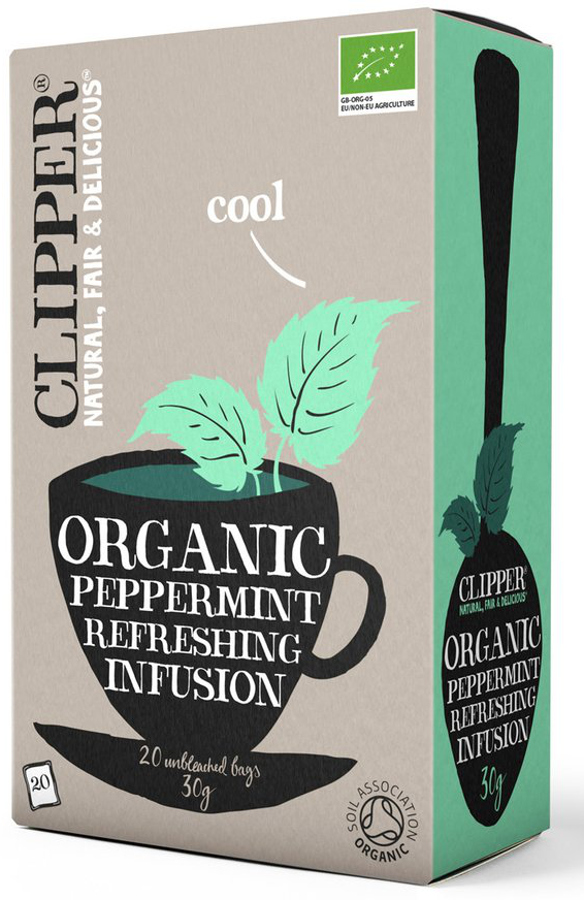
Finally, any declared flavourings, botanicals, caffeine status, or organic certification can materially change how one tea compares with another. A flavoured black tea and an unflavoured black tea may share the same base type, yet suit different uses. Similarly, decaffeinated and caffeine-free options serve different needs, even when their flavour positioning appears similar.
Strengths and Weaknesses
Black tea is often the easiest fit for everyday drinking because it tends to brew with a fuller body and more familiar strength. That makes it versatile with milk or on its own, and it usually suits drinkers who want consistency across different times of day. The trade-off is that its flavour can be less nuanced than lighter styles, particularly if a buyer is looking for floral, grassy or more delicate regional character.
Green tea offers a clearer sense of freshness and can show origin differences more distinctly, especially where processing style is stated. In contrast to black tea, it is often better suited to drinkers who prefer lighter texture and less malt or tannic weight. Its weakness is practical as much as sensory, because it can be less forgiving in daily use. Small changes in brewing time or water temperature may affect bitterness more noticeably.
Herbal and fruit infusions widen flavour choice beyond traditional tea profiles and are often useful for caffeine-free drinking. By comparison with black or green tea, they can be more approachable for shoppers prioritising flavour variety over origin-specific tea character. Their limitation is that they do not offer the same comparison points around tea-growing region or leaf style, so they may be less relevant for buyers focused on provenance.
Single-origin teas can appeal to shoppers who want a more defined regional profile, whereas blends are usually designed for balance and repeatability. A single-origin option may show more distinctive character, but that can also mean greater variation from one harvest or batch to another where this is reflected in the product information. Blends, by contrast, are often easier to choose for routine drinking because the flavour target is broader and more stable.
Format also affects strengths and weaknesses. Loose leaf generally gives more control over quantity and brewing style, and it may better suit those comparing leaf quality or blend composition. Tea bags, in contrast, are simpler for office use, travel or quick preparation. That convenience can matter more than fine flavour distinctions for many households. Pack size has a similar trade-off, because larger packs may offer better everyday value, whereas smaller packs make it easier to test different styles without committing to one profile.

Our Verdict
The most sensible choice depends less on category labels and more on how you want the tea to work in practice. If daily reliability matters most, a straightforward black tea usually makes the easiest case, particularly where fuller body and a more conventional profile are priorities. Whereas that suits routine morning or all-day drinking, it may feel less distinctive if you are comparing for regional character or more nuanced flavour.
If origin is your main filter, single-origin or clearly identified regional teas are often the more informative options. They give you a clearer sense of place and style, which is useful if you want to compare how one producing area differs from another. In contrast, blends can be the more consistent choice from pack to pack, especially where balance matters more than tracing flavour back to a specific source. That consistency can be an advantage for repeat buying, even if it means less variation and less emphasis on provenance.
Format also changes the calculation. Loose leaf tends to offer more control over quantity and brewing, which can matter if you want to fine-tune strength or compare flavour more closely. By comparison, tea bags and other convenience-led formats are usually easier to fit into a busy routine, even if they offer less flexibility. For some shoppers, that trade-off is decisive, particularly when ease of preparation matters as much as taste.
Flavoured teas and blended compositions suit a different purpose again. They can broaden the range of everyday drinking and make a tea more approachable if you are not looking for a purely origin-led profile. Whereas unflavoured teas are often better for assessing the base tea itself, flavoured options may be more useful when variety and immediate drinkability matter more than analytical comparison.
Taken together, the strongest route is to match the tea to the role it needs to fill. Everyday use, origin comparison, brewing control and flavour variety each point towards different strengths, so the right option is the one whose format, profile and provenance align most closely with how you actually plan to drink it.
The key decision is how you want the tea to fit into your routine, because flavour profile, origin and format all affect everyday usability as much as taste. For regular drinking, black tea often suits those who want a fuller, more familiar brew, while other options make more sense if origin, blend composition or a specific flavour profile matters more to you.